
Ad Fatigue in 2026: How Often Should You Refresh Your Creatives?
Why Your Ads Stop Converting After Days and How to Keep Campaigns Fresh with Strategic Creative Rotation
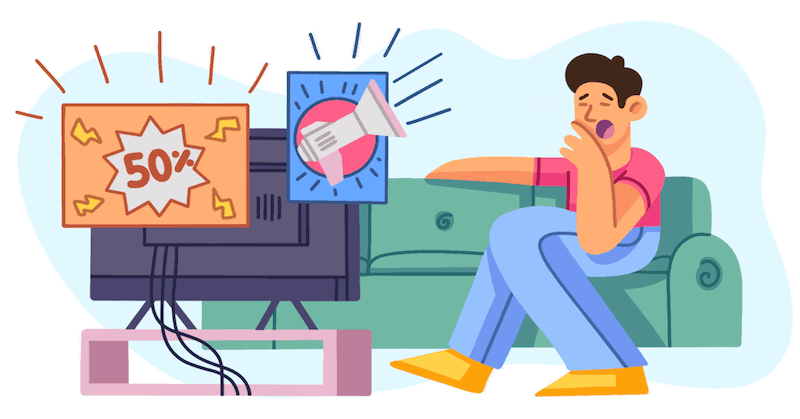
Ad Fatigue Kills ROI
Your campaign launched strong. Click-through rates were healthy, conversions were flowing, and your cost per acquisition was right on target. Then, seemingly overnight, everything flatlined. CTR dropped 40%, CPC doubled, and your previously winning ads stopped performing. Welcome to ad fatigue - the silent killer of marketing ROI in 2026.
With audiences scrolling faster, platforms recycling impressions more aggressively, and algorithms optimizing harder toward yesterday's winners, ad fatigue now shows up faster than ever. What once lasted weeks now burns out in days. Here's your complete guide to detecting, preventing, and fighting ad fatigue in 2026.
1. What Is Ad Fatigue?
Ad fatigue occurs when repeated exposure reduces your ad's ability to influence action. Not because your offer is bad or your product stopped working, but because your audience has mentally processed the message and moved on. After seeing the same creative 5-10 times, users develop "ad blindness" - they scroll past without even registering the content.
The cost is real. According to 2025 research, 60% of U.S. adults are less likely to buy from companies showing repetitive ads. More alarming, 76% say repeated exposure makes them less favorable toward the brand overall. This isn't just a performance problem - it's a brand perception problem.
2. How to Spot Ad Fatigue Early
The key to managing fatigue is catching it before performance crashes. Watch these signals:
Critical Metrics
Click-Through Rate (CTR): The first indicator. A 20-30% week-over-week drop signals normal lifecycle end. Faster decline means deeper issues.
Frequency: When the same user sees your ad 3+ times for prospecting or 5+ for retargeting, saturation is near. Platforms like Facebook, Google, and LinkedIn show this metric clearly.
Cost Trends: Rising CPM, CPC, or CPA despite unchanged targeting indicates efficiency loss as the algorithm struggles to find fresh, responsive users.
Engagement Quality: Declining time on site, lower scroll depth, or fewer pages per session from ad traffic shows users aren't as engaged as before.
Platform-Specific Timelines
Not all platforms fatigue at the same rate:
TikTok & Instagram Reels: 3-7 days. Fast-scrolling behavior and algorithm velocity demand weekly refreshes.
Facebook & Instagram Feed: 7-14 days for most audiences. Smaller, niche audiences need weekly updates.
LinkedIn: 14-21 days. Professional context and less frequent usage extend creative lifespan.
Google Display: 21-30 days. Wider network distribution spreads impressions, slowing fatigue.
YouTube: 14-28 days, depending on targeting breadth and video length.
3. How Often Should You Refresh?
The answer isn't universal - it depends on budget, audience size, and platform dynamics.
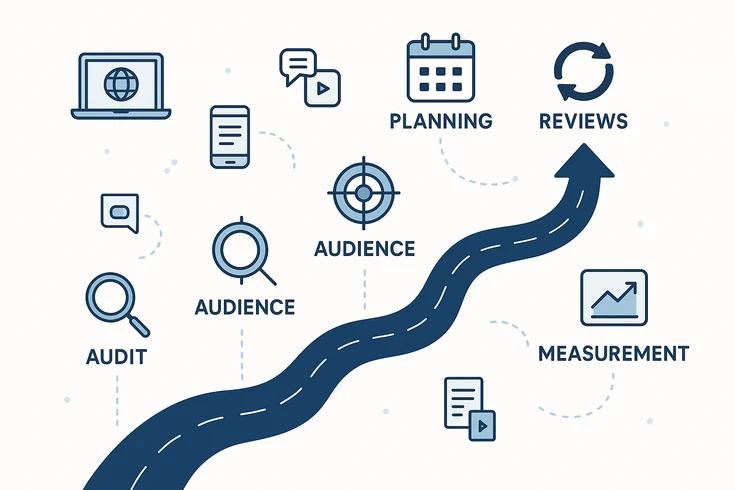
Budget-Based Guidelines
Small Budget (<$1,000/month): Refresh every 3-4 weeks. Lower spend means lower frequency, extending creative life.
Medium Budget ($1,000-$10,000/month): Refresh every 2-3 weeks. Test new variants while keeping winning creatives active.
Large Budget ($10,000+/month): Weekly refreshes on fast platforms (TikTok, Meta), bi-weekly on slower platforms (LinkedIn, Google Display). High spend drives high frequency.
Audience Size Considerations
Small, niche audiences (under 100,000) burn out faster. You're showing ads to the same people repeatedly. Broader audiences (1M+) allow longer creative runs before saturation.
The Creative Hierarchy
Not all creative elements fatigue at the same rate:
- Hooks/Headlines (refresh every 7-14 days): The first thing users see. Fatigues fastest.
- Visuals (refresh every 14-21 days): Images, video thumbnails, graphics need periodic updates.
- CTAs (refresh every 21-30 days): Slower fatigue, but subtle changes can boost response.
- Brand Assets (keep consistent): Logo, colors, typography should remain stable for recognition.
4. Fighting Ad Fatigue: Proven Strategies
1. Creative Rotation
Don't rely on a single ad. Run 3-5 variants simultaneously, each with different hooks, visuals, or angles. As one fatigues, rotate in fresh creatives while maintaining the best performers.
The challenge? Manually creating multiple high-quality variants is slow and expensive. Agencies charge $500-2,000 per ad with 1-2 week turnaround times. By the time new creatives arrive, your current ads have already fatigued.
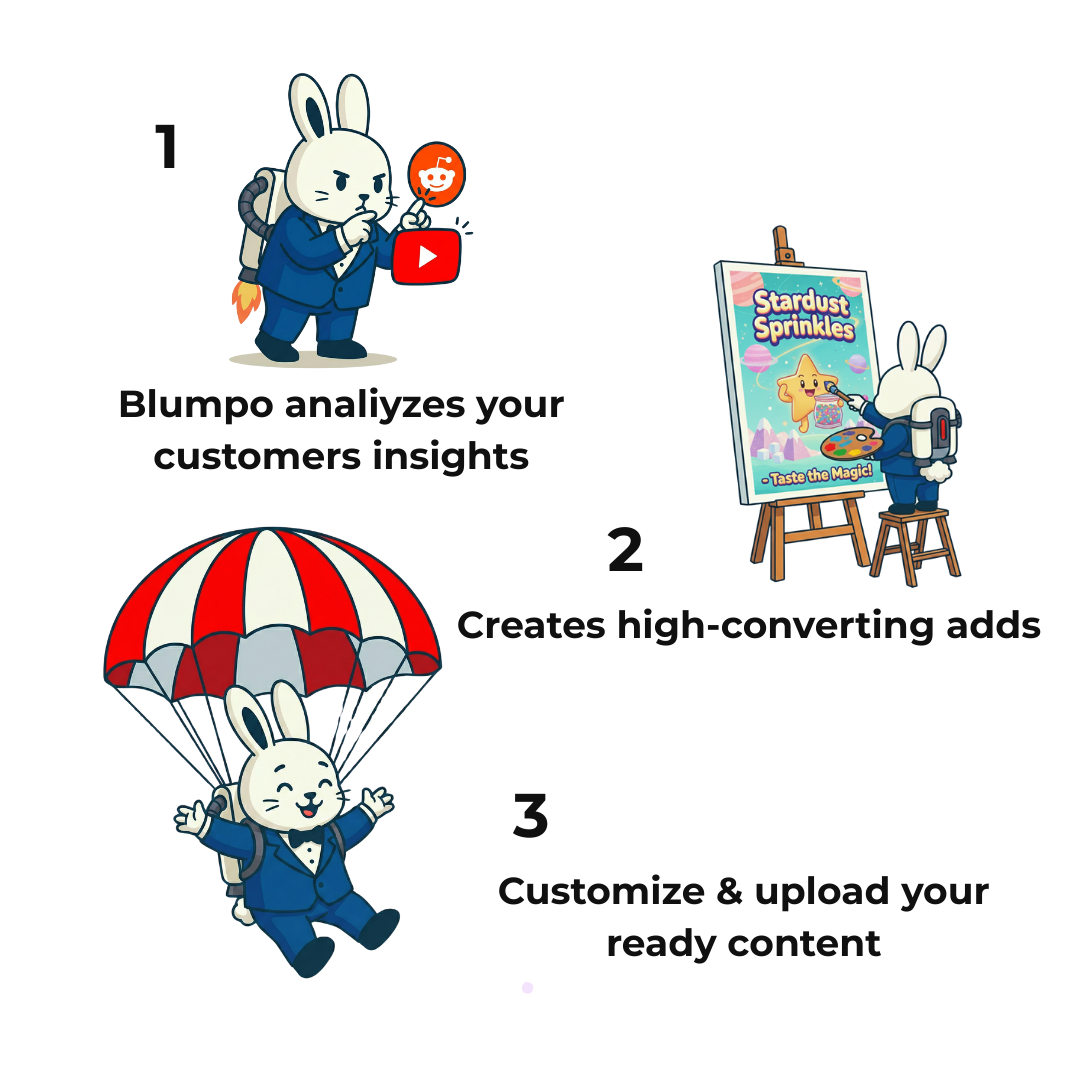
This is where Blumpo transforms the equation. The AI-powered platform generates 50-100+ ad variants monthly from a single URL input. By analyzing your website for branding and researching customer pain points across Reddit, Facebook, and YouTube, Blumpo creates ads that feel fresh while staying on-brand.
Users report producing variants in 90 seconds versus weeks with agencies, enabling true creative rotation at scale. One marketer shared: "We moved from 10 ads to 100+ monthly with Blumpo. Testing volume lets us identify winners fast and rotate out fatigued creatives before performance drops."
At $17/month starting price versus $500+ per agency ad, the ROI is compelling. For brands running campaigns across multiple platforms, Blumpo's ability to generate formats optimized for each channel (1:1, 9:16, etc.) simplifies multi-platform creative management.
We’ve explored this shift in more detail in our AI vs agency guide to the future of ad creative production, comparing traditional creative workflows with AI-powered production models.
2. Dynamic Creative Optimization
Platforms like Meta and Google offer dynamic ads that automatically rotate headlines, images, and CTAs from templates. The system learns which combinations perform best and serves those more frequently.
While not as sophisticated as custom creative, dynamic ads extend campaign life by showing users different variations automatically.
3. Audience Expansion
If frequency is climbing above safe levels, expand targeting to reach fresh users. This dilutes frequency across a larger pool, buying time before refresh is needed.
Be strategic - expanding too broadly can hurt relevance and efficiency. Test incrementally.
4. Frequency Capping
Platforms like Google, LinkedIn, and Microsoft offer frequency caps to limit how often the same user sees your ad. Set caps at 3 impressions per day or 15 per week for prospecting campaigns.
Meta and TikTok don't offer native capping, making creative rotation even more critical on these platforms.
5. Common Mistakes to Avoid
Over-Refreshing: Constantly swapping creatives creates instability. Platforms need time to optimize. Give new ads 3-5 days minimum before judging performance.
Confusing Learning Phase with Fatigue: New campaigns fluctuate naturally for 5-7 days. Don't mistake normal variation for fatigue.
Personal Fatigue vs. Audience Fatigue: Marketers get tired of their own ads before audiences do. Let data, not intuition, guide refresh decisions.
Ignoring Brand Consistency: Refreshing creative doesn't mean abandoning brand identity. Maintain consistent colors, typography, and tone while varying hooks and visuals.
No Testing Framework: Random changes teach you nothing. Test systematically - change one element at a time to understand what drives performance differences.
6. Platform-Specific Best Practices
Meta/Facebook: Use Campaign Budget Optimization to automatically shift spend toward best-performing variants. Refresh creatives every 10-14 days for general audiences, weekly for small niches.
TikTok: Refresh every 5-7 days. Native, authentic content outperforms polished ads. Test frequently.
LinkedIn: Bi-weekly refreshes sufficient for most campaigns. Professional audiences less prone to quick fatigue.
Google Display: Monthly refreshes work for broad targeting. Responsive display ads with multiple assets extend life.
YouTube: Test new thumbnails and opening 5 seconds every 2-3 weeks while keeping core content stable.
Key Takeaways
- Ad fatigue is inevitable - plan for it, don't react to it
- Platform dynamics dictate refresh rates - fast platforms need weekly updates, slower platforms bi-weekly to monthly
- Budget and audience size matter - higher spend and smaller audiences demand more frequent refreshes
- Creative volume is your weapon - testing 50-100 variants beats 5-10 variants every time
- Hooks fatigue fastest - prioritize headline/opening variations over complete redesigns
- Let data decide - track CTR, frequency, and cost trends to time refreshes perfectly
- Brand consistency matters - refresh creative without abandoning brand recognition
- Prevention beats reaction - rotate creatives before performance drops, not after
Ad fatigue in 2026 isn't a surprise problem anymore - it's a predictable outcome of scale. The brands that win are those that build systematic creative testing and rotation into their processes from day one. With the right tools and frameworks, ad fatigue transforms from a performance killer into a manageable part of campaign optimization.
Start tracking your frequency metrics today, establish refresh cadences matched to your platforms and budgets, and build creative production capabilities that enable true volume testing. Your ROI will thank you.
Sources: